
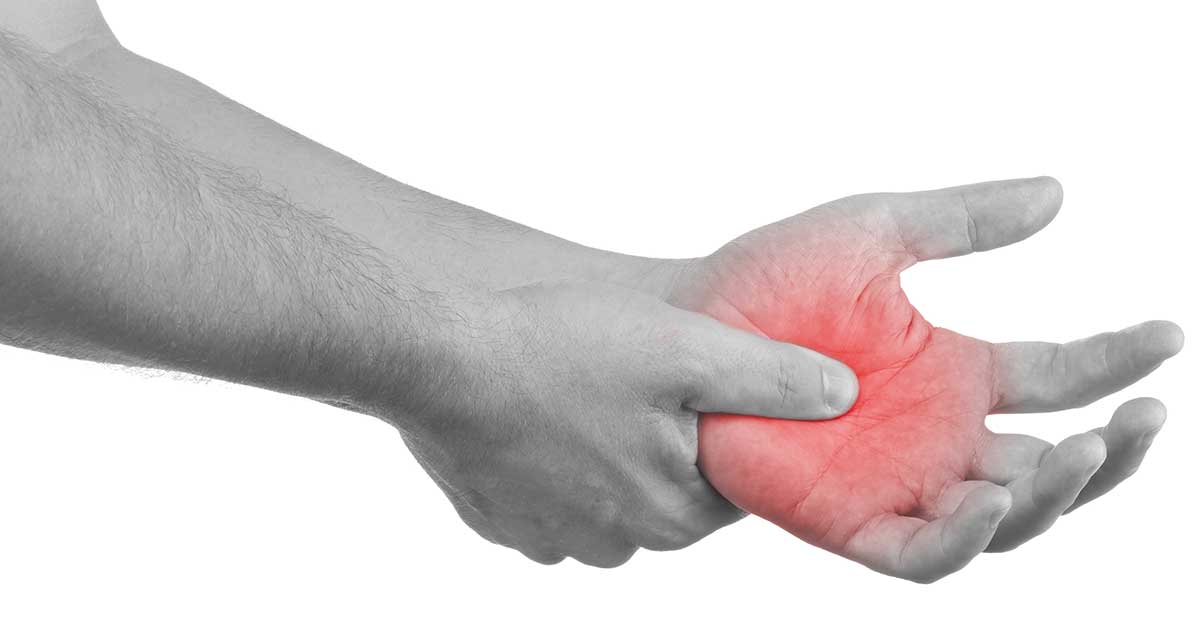
Trigger Finger Overview
Trigger finger occurs when a finger catches or locks as it flexes or straighens. Trigger finger symptoms make it difficult to use the fingers and hand, especially if the finger remains locked. An appointment with a Carolina Orthopaedic and Neurosurgical Associates’ (CONA) hand specialist should be made as soon as symptoms present. Delaying treatment makes trigger finger worse.
Symptoms & Causes
Trigger finger symptoms include:
- A catching, locking or popping sensation when the finger moves
- A tender lump
- Pain
- Stiffness
Common trigger finger risk factors include:
- Diabetes
- Occupations that involve forceful or frequent hand and finger use
- Rheumatoid arthritis
Common Treatments:
An early trigger finger diagnosis is very important because nonsurgical treatment options can be used to effectively reduce symptoms and prevent the condition from becoming worse. After a thorough evaluation, a CONA hand specialist may recommend:
- A corticosteroid injection
- A custom made splint
- Nonsteroidal anti-inflammatory medications
- Rest
- Stretching exercises
Surgery may be recommended to treat severe trigger finger, especially if the finger remains in a locked position. During a trigger finger release, a CONA hand specialist carefully excises the tendon sheath so the tendon has more room to move. Symptoms dramatically decrease shortly if not immediately after the procedure.
Need an appointment?
Fill out our appointment request form or call our office directly at 864-583-CONA. For sudden or urgent injuries and pain, visit our Orthopedic Urgent Care in Greenville and Spartanburg.